Powerful Strategies for Dog Arthritis Pain Relief: A Detailed Guide
Arthritis in dogs is a common concern that influences their day-to-day comfort. Noticing small changes in conduct can be essential for prompt care. Various strategies exist for managing pain and improving mobility. From dietary adjustments to exercise routines, each approach plays a role. Additionally, alternative therapies may offer further benefits. Knowing these proven methods is key for any dog owner seeking to boost their companion's comfort and quality of life. How can one develop a personalized approach for their dog?
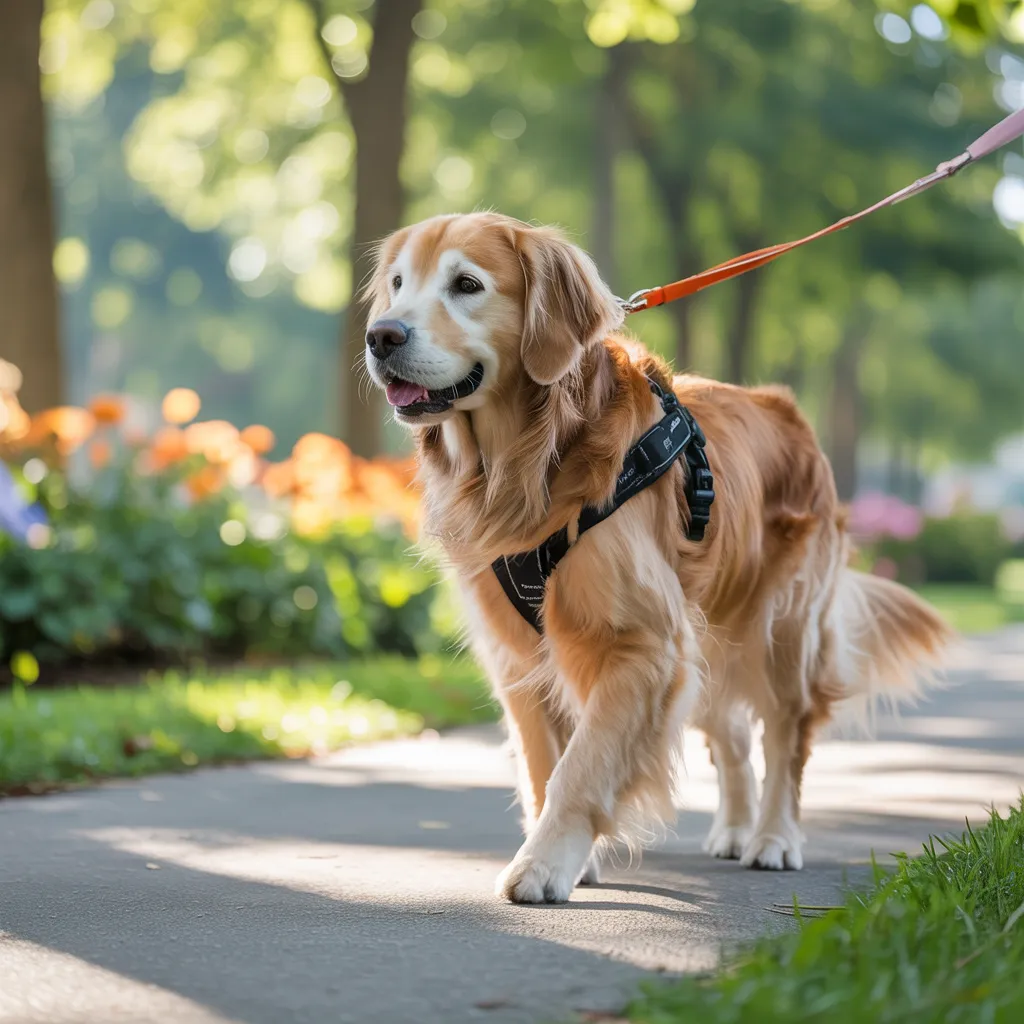
How to Recognize and Manage Dog Arthritis Pain
How do pet owners detect and handle arthritis pain in their dogs? Recognizing arthritis pain in dogs requires keen observation of behavioral changes. Symptoms include trouble getting up, limping, unwillingness to walk or play, and reduced engagement in activities. Owners could additionally detect shifts in posture, including favoring one leg or displaying a curved back.
Treatment begins with a professional veterinary assessment for a thorough assessment and care strategy. Veterinarians can prescribe pain relief medications, nutritional supplements, or physical therapy customized for the individual dog's requirements. Additionally, ensuring a cozy resting space and minimizing exposure to slippery floors can reduce stress on compromised joints. Routine, mild physical activity can maintain mobility without worsening discomfort. Dog owners should keep a close eye on their dogs, adjusting activities based on their comfort levels, and stay in consistent communication with their animal health professional to ensure optimal control of joint inflammation symptoms.
Dietary Changes to Relieve Dog Arthritis Pain
A nutritionally balanced diet can significantly help with reducing arthritis discomfort in dogs. Adding anti-inflammatory nutrients, including omega-3 fatty acids derived from fish oil, can help reduce joint inflammation. Including glucosamine and chondroitin supplements may help maintain cartilage integrity, supporting greater ease of movement.
Moreover, a diet abundant in antioxidant-rich nutrients from fruits and vegetables can enhance the immune response, promoting overall wellness. Foods like spinach, blueberries, and sweet potatoes are ideal additions to your diet.
Keeping a healthy weight is important, as excess weight puts added strain on joints. Reducing caloric intake while providing nutrient-dense foods can assist in weight management.
Consulting a veterinarian for individualized dietary advice is advisable to guarantee the diet fulfills a dog's unique needs. In summary, careful dietary adjustments can be instrumental in reducing arthritis discomfort and improving the overall wellbeing for affected dogs.
Exercises for Joint Health in Dogs
In addition to modifications to diet, including proper exercise routines can greatly enhance joint health in dogs suffering from arthritis. Regular, low-impact activities such as walking, swimming, and gentle play can support the maintenance of joint flexibility and muscle strength. Swimming is particularly beneficial, as it enables dogs to stay active without placing excessive strain on their joints. Shorter, more frequent exercise periods are suggested, making sure the dog avoids excessive exhaustion.
Furthermore, stretching movements can increase flexibility and relieve stiffness. Simple movements like leg extensions and gentle twists can be easily integrated into a daily routine. Owners should also consider engaging their dogs in interactive games that promote movement without high impact. It is essential to seek veterinary guidance before initiating any fitness routine to adapt the plan to the dog's unique requirements and limitations. This regimen not only benefits joint health but can also elevate the dog's overall well-being and quality of life.
Best Medications and Supplements for Arthritis in Dogs
Effective management of joint disease in dogs frequently requires a blend of widely used pain relieving drugs and beneficial dietary supplements. These options can assist in reducing pain and enhance mobility, elevating the overall standard of living for animals experiencing the condition. Understanding the options available is essential for caregivers searching for remedies for their four-legged friends.
Typical Pain Relief Medicines
A great number of dog owners search for efficient pain management solutions to help alleviate the suffering caused by arthritis in their dogs. Non-copyrightal anti-inflammatory drugs (NSAIDs) are often administered, since they help decrease inflammation and discomfort. Veterinary medications such as carprofen and meloxicam remain preferred selections because of their effectiveness and safety records when given under professional veterinary care. Additionally, corticocopyrights may be used in certain situations due to their strong anti-inflammatory properties. Additionally, many veterinarians advise gabapentin for managing nerve pain. Every medication carries possible side effects, requiring diligent observation by dog owners. It is essential for dog owners to consult with their veterinarian to identify the most suitable treatment option customized to their pet's individual requirements read here and health status.
Helpful Nutritional Supplements
Although medications are essential in addressing arthritis pain in dogs, dietary supplements may deliver meaningful relief and strengthen joint health. Frequently used supplements consist of glucosamine and chondroitin, which work to sustain cartilage integrity and decrease inflammation. Omega-3 fatty acids, derived from fish oil, are celebrated for their anti-inflammatory benefits and can boost mobility. Additionally, green-lipped mussel extract offers natural anti-inflammatory benefits, while turmeric, through its active compound curcumin, can assist in relieving pain and stiffness. Antioxidants, such as vitamin E, can also support overall joint health by combating oxidative stress. It is essential for dog owners to consult with a veterinarian before introducing any supplements, confirming they integrate with existing treatment plans successfully.
How Acupuncture and Massage May Improve Your Dog's Health
Acupuncture and massage present promising alternatives for treating arthritis pain in dogs. Acupuncture treatment can stimulate specific points to enhance circulation and reduce inflammation, while focused massage methods can reduce muscle tension and increase mobility. Together, these therapies may considerably enhance the overall well-being and comfort of a dog.
Benefits of Acupuncture Therapy
Investigating complementary treatments, canine caretakers often turn to acupuncture and therapeutic massage as proven methods for managing arthritis discomfort. Acupuncture encompasses the use of slender needles at targeted locations to stimulate the body's healing processes, encouraging pain reduction and minimizing inflammation. This approach boosts circulation, helping to deliver essential nutrients to affected joints. Many dogs experience increased mobility and a reduction in pain after a course of acupuncture therapy. Furthermore, acupuncture is generally safe and may be combined with traditional treatments without negative side effects. Its holistic approach not only targets physical symptoms but also fosters overall well-being, improving the canine's overall quality of life. Pet owners commonly observe beneficial shifts in their dogs' behavior and energy levels following acupuncture therapy.
Massage Methods for Relief
Massage techniques provide a beneficial supplement to acupuncture in relieving arthritis pain in dogs. These techniques enhance circulation, decrease muscle tension, and support relaxation, which can significantly enhance a dog's overall comfort. Specific methods, such as soft kneading and effleurage strokes, can target affected areas, working to reduce stiffness and improve movement.
Consistent massage therapy can also cultivate a deeper bond between the dog and the caregiver, establishing a calming environment that further assists with pain management. It is essential for caregivers to learn correct techniques to avoid injury and guarantee efficacy. Pairing massage therapy with acupuncture creates a well-rounded approach, managing both physical and emotional well-being, ultimately leading to a healthier life for dogs suffering from arthritis.
Creating a Comfortable Home for Your Dog
Limiting stairways or adding ramps can make it easier for dogs to move through their surroundings, decreasing the likelihood of harm and tiredness. Furthermore, maintaining clutter-free living areas can prevent falls and make movement smoother.
Managing temperature is crucial; a warmer setting can help reduce joint stiffness, while cooling surfaces may help reduce heat sensitivity. Finally, ensuring that the dog's favorite toys and resting spots are easily accessible supports activity levels while limiting unnecessary physical effort. By implementing these changes, dog owners can develop a caring environment that enhances their dog's quality of life and eases arthritis-related pain.
Frequently Asked Questions
Is Early Intervention Effective in Preventing Dog Arthritis?
Timely treatment may help reduce the likelihood of joint disease in dogs. Routine vet visits, weight management, and suitable physical activity support joint health, potentially preventing or delaying the emergence of arthritis-related issues in senior dogs.
What Are the Signs of Advanced Dog Arthritis?
Warning signs of advanced canine arthritis include considerable trouble moving, an irregular gait, reluctance to engage in play, apparent sensitivity when handled, inflammation of the joints, reduced overall activity, and changes in behavior, such as increased irritability or withdrawal.
How Do I Support My Dog Through a Flare-Up?
During a flare-up, offering a cozy resting space, administering prescribed medications, and using heat or cold packs can aid in reducing discomfort. Short, gentle exercise sessions may also improve mobility without overtaxing the affected dog.
Are Some Breeds More Susceptible to Arthritis?
Some breeds, including Labrador Retrievers, Golden Retrievers, and German Shepherds, have a higher risk of arthritis because of genetic factors, size, and joint structure. Regular veterinary check-ups are effective in managing their susceptibility.
When Is Surgery the Right Choice for My Dog's Arthritis?
An operation for a dog's arthritis becomes an option when discomfort continues despite conventional treatments, physical activity noticeably diminishes, and overall well-being worsens. Seeking advice from a vet is highly recommended to establish the right path forward.